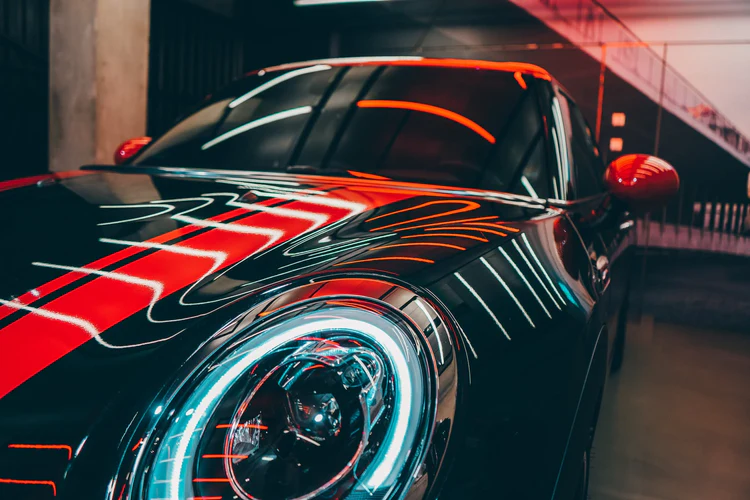
NEVER WAX AGAIN
Boise Cereamic Coating
GET Free QUOTE
Give us a call
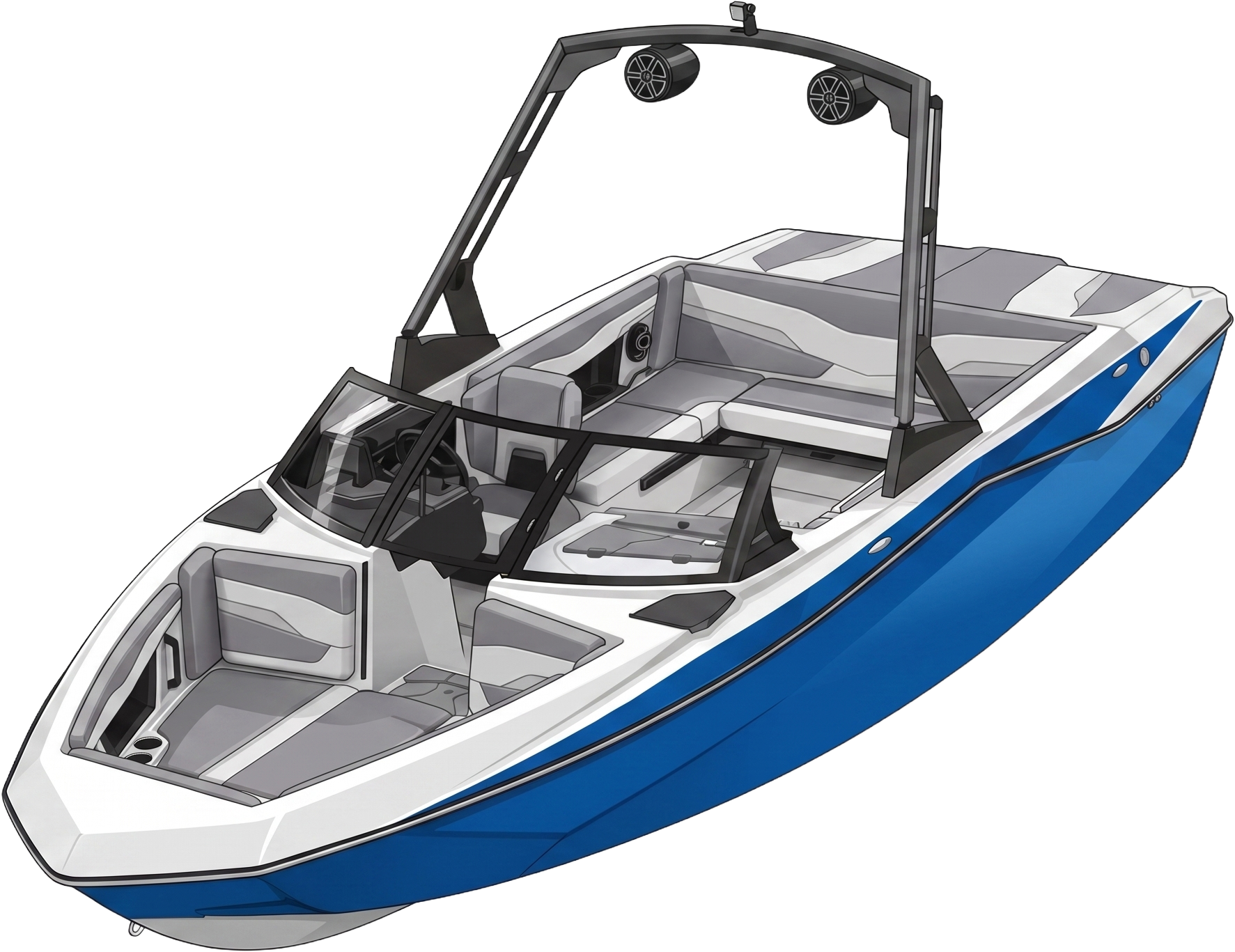
NEVER WAX YOUR BOAT AGAIN
Think of the ceramic coating as an additional layer of clear coat, only a lot harder allowing for more peace of mind and a fuller enjoyment of your vehicle, even in harsh environments.
A PROTECTIVE COAT LIKE NO OTHER
NO OTHER COATING EVEN COMES CLOSE
Marine gelcoat measures a hardness of 2H-4H, while our coatings once cured measure between 9H and 10H, significantly increasing the hardness of your hull's finish.

Marine Coating

$85+/foot

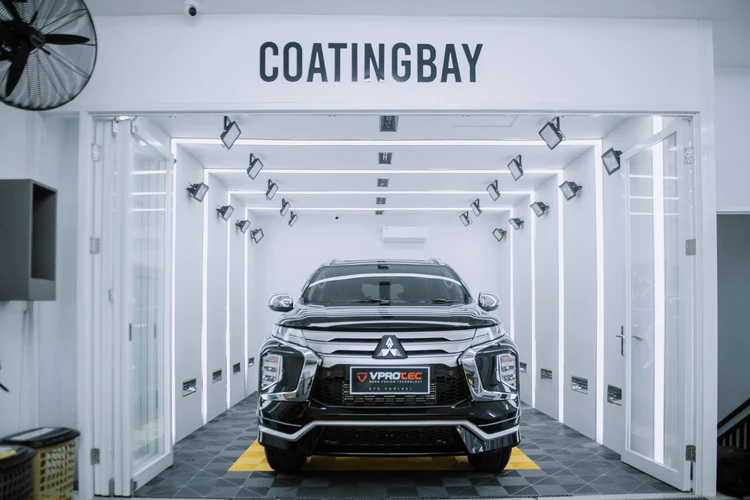
Industrial-grade ceramic bonded directly to your gelcoat. We wash the hull, decontaminate it, and remove light oxidation before application, then cure a hard, hydrophobic layer across the hull sides, transom and deck. The waterline scum rinses off instead of setting in, and your gelcoat stops chalking in the sun. Priced by the foot.
Includes:
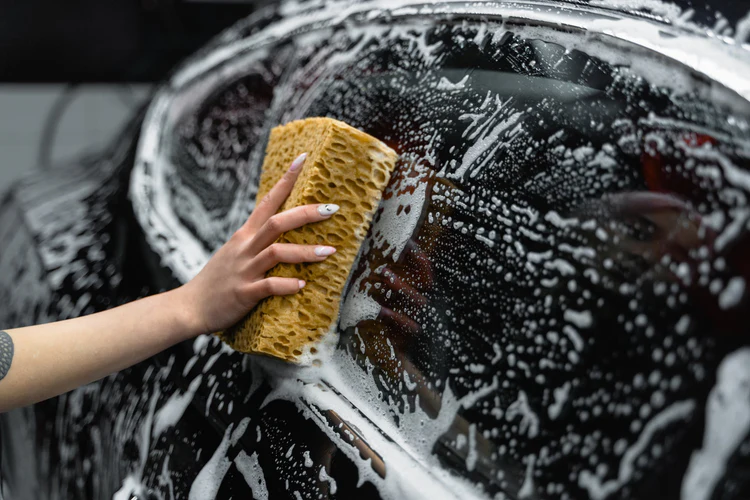
Full Hand Wash & Decontamination
Light Oxidation Removal
Industrial Grade Ceramic on Gelcoat
Hydrophobic Finish
Waterline Stain Resistance
Priced Per Foot
Think of the ceramic coating as an additional layer of clear coat, only a lot harder allowing for more peace of mind and a fuller enjoyment of your vehicle, even in harsh environments.
Advanced Protection with Ceramic Coating
Ceramic coating is a nanotechnology treatment that gives your boat a highly durable, long-lasting protective layer. It resists the oxidation and UV fade that turn gelcoat chalky, along with waterline staining and mineral deposits. By sealing the gelcoat, a coating preserves both the look and the resale value of a hull that lives in the sun and water.
LEARN MORE +
Enhanced Gloss and Shine
A professionally applied ceramic coating brings back the deep, wet-look gloss that sun and water strip out of gelcoat. Instead of a chalky, dull hull, you get a finish that looks freshly waxed without the waxing. Your boat turns heads at the dock and holds that look through the whole season.
LEARN MORE +
Superior Hydrophobic Performance
One of the standout features of a marine ceramic coating is how slick it makes the surface. Water sheets off, and the scum line that normally builds along the waterline releases with a rinse instead of a scrub. Less time cleaning after every outing, more time on the water.
LEARN MORE +
Wax vs Sealant vs Ceramic
Wax is what most people picture. It looks great for about a month, sits on top of the paint, and washes off. It's a cosmetic layer, not protection.
A paint sealant
is a step up — synthetic, bonds better, and holds for around six months. It's what we include with every Gold Standard detail, and it's genuinely good protection between details.
A ceramic coating is different in kind, not degree. It chemically bonds to your clear coat and cures into a hard glass-like layer measuring 9H to 10H, compared to the 2H to 4H of factory paint. It doesn't wash off. It resists UV fade, bird droppings, tree sap, and road salt for years instead of months — and dirt releases far more easily, so washing takes noticeably less work.
What a ceramic coating does
A ceramic coating is chemical protection, not physical armor. That distinction matters, and we'd rather you know it before you buy.
What it protects against: UV rays that fade and oxidize gelcoat, waterline scum and mineral staining, bird droppings and tree sap while it sits on the trailer, and the general grime of a season on the water. It also makes the surface hydrophobic, so dirt releases easily and washing takes noticeably less effort.
What it won't stop: rock chips, door dings, deep scratches, or anything with real force behind it. A coating is measured in microns — it's a hard, thin layer bonded to your clear coat, not a shield. If a rock hits your hood at highway speed, ceramic doesn't change that outcome.
If rock chips are your concern, paint protection film (PPF) is the best option. Many customers do both — film on the high-impact areas like the front bumper and hood, then ceramic over the whole vehicle. They solve different problems.
Cost per Year
Marine coatings are priced by the foot, so you pay for the length of your hull and nothing more. Spread across the life of the coating, it costs a fraction of what annual waxing and compounding runs, and your gelcoat never gets the chance to chalk in the first place. On a boat you plan to keep, ceramic is usually the cheapest way to own it.

Coating After Care

Most ceramic coatings that stop performing early weren't defective, they were washed wrong. Harsh degreasers, stiff brushes and letting the hull dry in direct sun will all shorten the life of a coating that should last seasons. There are also things to avoid entirely during the first week while it cures. None of it is complicated, but it's worth knowing before you put the boat back in the water. We've put the full washing routine, the products we recommend, and the mistakes that cause the most damage into one guide.

Book a detail and we’ll come straight to your driveway. All we need is access to water & electricity. Our CityName shop is also available.

Contact Us Today

Hear From Our Customers !

Read the Guide